

When it comes to wedding day bliss, the devil’s in the details. Weddings usually don’t go wrong because of one major choice. Instead, it’s the buildup of small details that changes the mood of the day. Each task may seem simple, but together they affect how the day feels, runs, and whether the couple can truly enjoy it. Take these common wedding planning mistakes into consideration.
The ability to experience a wedding day in all its beauty does not reflect a lack of effort or care. One hallmark of today’s couples is their thoughtfulness, organization, and deep investment in creating meaningful celebrations they and their guests will treasure forever.
It’s easier than ever to plan a dream wedding, with so many tools and ideas available. Still, even well-prepared couples can be caught off guard by how quickly the day moves from planning to reality. The key difference is perspective, which comes from seeing many weddings happen in all kinds of venues.
People often think a wedding planner only handles design or day-of details, but their real job is to keep the whole day running smoothly. Without that support, stress usually shows up in the small moments and often falls on the couple.
THE INVISIBLE ARCHITECTURE OF A WEDDING DAY
A wedding day depends on timing, movement, communication, and quick decisions, all supported by many vendors working together. While planning often focuses on design and picking vendors, the real success comes from how everyone and everything works together.
When everything is managed well, guests move easily from one part of the day to the next, and vendors work together smoothly. The couple can focus on enjoying their day instead of handling details. Without someone in charge, tasks get scattered, and the couple may end up answering lots of questions and making small decisions instead of celebrating.
KC weddings carry a distinct, lyrical rhythm: ceremonies in long-standing churches, ornate theatres and iconic buildings, portraits that span downtown streets or quiet parks, receptions in historic landmarks and modern event spaces.
What feels straightforward can quickly turn into common wedding planning mistakes on a Saturday afternoon when traffic builds, parking tightens, and multiple events unfold across the city.
TIMELINES ARE NOT STATIC DOCUMENTS
Timelines help couples feel prepared, but in reality, they often need to be flexible.
Hair and makeup often run late. Family photos take time and patience. Travel times can change depending on the area and time of day. Each small delay adds up, and by the end of the day, there may not be enough time left.
By midafternoon, a day that began with generous pacing can become time-pressed. Portraits must move faster than intended. Transitions tighten. Decisions are made quickly rather than thoughtfully. Without centralized oversight, these changes are forced to happen reactively, introducing a sense of urgency and tension that lingers and spills over into the celebration.
In KC, where weddings frequently involve movement between neighborhoods or venues with shared access windows, timing is especially sensitive. Load-in schedules, parking constraints, and overlapping events silently shape how much usable time a couple actually has available to move from one event to another.
VENDOR EXPERTISE AND THE GAPS BETWEEN ROLES
Experienced, trusted vendors are a must to produce a seamless wedding. Each individual expert brings deep knowledge of their craft and a clear sense of responsibility and intentionality. What is less visible is that these vendors are not designed or capable of managing the full arc of the wedding day.
Each vendor has a specific job. Photographers manage lighting and timing, florists handle flowers, and musicians pay attention to the mood. If no one is making sure these roles work together, important details can be missed.
Sometimes a vendor is ready before the space is set up, or guests are still moving when the music should start. When there’s no clear person to answer questions, they often end up with the couple or their families. These small moments may not seem big, but they affect how the day feels and how stressful it is.
Kansas City venues, especially older buildings and shared spaces, can be tricky. Travel, access, sound rules, and timing limits all need careful planning that goes beyond what any one vendor can handle.
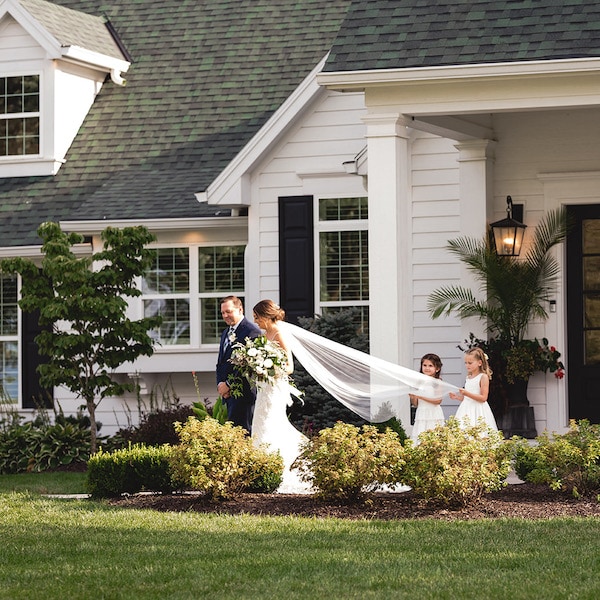
CEREMONIES ARE CAREFULLY CHOREOGRAPHED EXPERIENCES
Ceremonies are emotional, but they also need careful planning. The pace, spacing, sound, and timing all affect how the ceremony feels. Every detail, from sound equipment to seating, needs to be managed well. Small adjustments behind the scenes can completely change how calm and connected the moment feels. When everything is aligned, the ceremony feels effortless for everyone involved.
If instructions aren’t clear, the ceremony can feel awkward. People may hesitate, walk too fast or too slow, and microphones might not work well.
Sometimes, guests can’t even hear the vows or the officiant. Often, what lingers in memory is not the specific wording of vows, but the overall sense of peace or chaos in the space.
Outdoor ceremonies are becoming more common, but they bring extra challenges. Wind can affect sound and clothing, heat can slow things down, and weather can change plans quickly. Once the ceremony starts, it’s hard to make changes without disrupting it. A well- prepared team helps ensure that even outdoor unpredictability feels intentional rather than stressful.
EMOTIONAL LABOR HAS A PLACE IN THE TIMELINE
Alongside logistics, weddings carry a hefty emotional weight. Family dynamics, unspoken expectations, the uncertainty that accompanies any family transition, and heightened sensitivity often surface as the day approaches. When no one is designated to hold space for these realities with an eye on those who may feel the most turmoil, unfortunately, the responsibility and responsiveness both land on the couple.
This might mean last-minute questions about seating or photos, disagreements about ceremony roles, or relatives needing reassurance at the wrong time. Each moment may seem minor, but together they distract the couple from enjoying their celebration.
Weddings often have big guest lists and strong family traditions, which can make things more complicated. Someone needs to handle tension, answer questions, and help the couple stay focused on each other and the meaning of the day.
DESIGN EXISTS WITHIN REAL WORLD CONSTRAINTS
Beautiful wedding designs are important, but they only work if the logistics are solid. Décor needs time, effort, tools, and clear planning. If these aren’t thought through, things don’t go as smoothly.
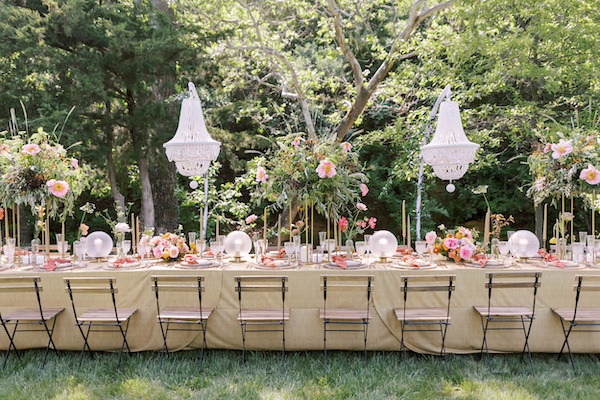
Setup windows are often shorter than expected. Design elements may conflict with venue policies. Many Kansas City venues, especially historic ones, restrict hanging installations, open flames, or extended setups. Urban spaces may require early teardown or shared access.
If there isn’t a clear plan for setting up the design, vendors or family members have to figure things out. The end result might look nice, but it usually takes a lot more work and forces loved ones to shift their focus from enjoying the memory to “making it work.”

WEATHER REQUIRES MORE THAN A BACKUP PLAN
Weather is one thing you can’t control on a wedding day, but it still needs to be managed. Backup plans help, but only if someone is ready to put them into action.
Kansas City weather is famously unpredictable. Storms arrive quickly. Temperatures shift unexpectedly. Wind affects sound, attire, and décor. In these moments, clarity matters. Decisions must be made calmly and communicated clearly. These kinds of responses go beyond the capabilities of a friend or family member who is helping out. A smooth wedding often depends on having a professional who can handle problems as they happen.
THE COST THAT RARELY APPEARS ON A BUDGET SHEET
You can’t put a price on the cost of missed details. Common wedding planning mistakes can show up as lost moments, scattered focus, and feeling like you’re just getting through the day instead of enjoying it.
Most couples remember how their wedding felt, not just how it looked. Later, what stands out is whether the day felt calm or rushed. The best celebrations usually have someone handling all the details so the couple can relax.
People often think wedding planners are just about control, but their real value is in caring for the couple’s vision. They handle all the moving parts so the couple doesn’t have to worry.
The most seamless weddings rarely announce how much work went into them. Their ease is intentional. Their calm is curated. The devil is in the details, not because couples overlook them, but because someone must be responsible for carrying them.
Enjoy Common Wedding Planning Mistakes? Ready to start finding vendors for your wedding? Check out our collection of Kansas City Wedding Vendors.