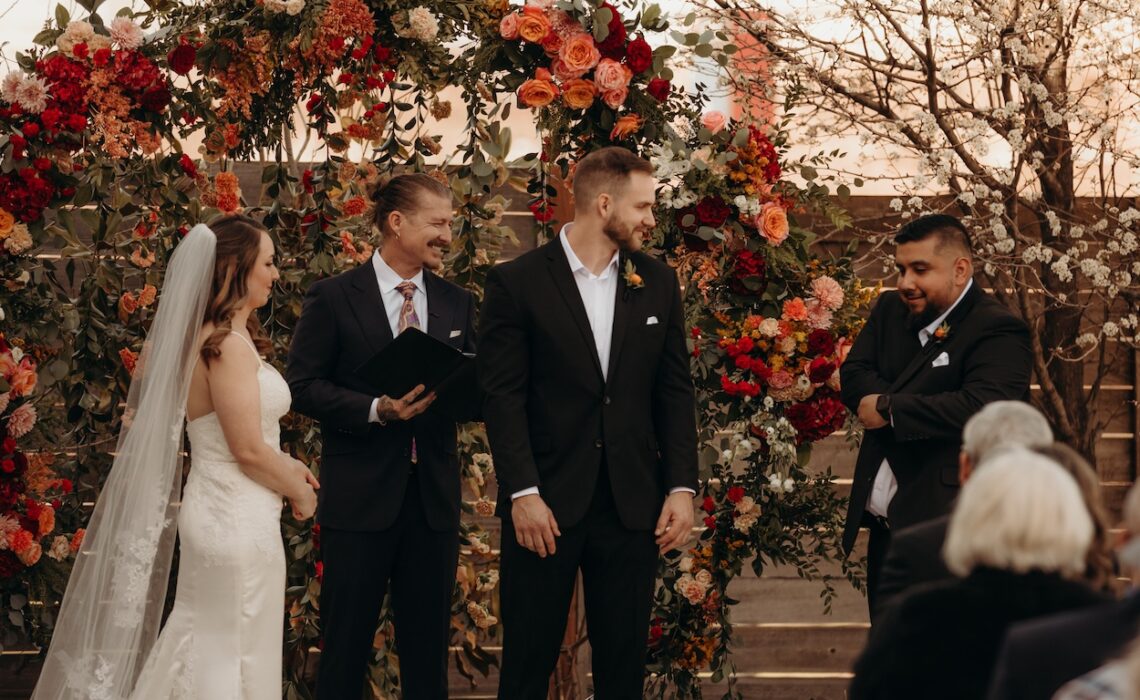
Selecting your wedding officiant will play an essential role in your big day, setting the tone and guiding you through the most important part of your celebration. Whether you’re planning a traditional religious ceremony, a secular civil service, or a personalized event officiated by a friend or family member, choosing who will marry you is a significant decision. Armed with all the essential details, you can navigate your options gracefully and make an informed decision as you choose the perfect wedding officiant.
FRIENDS OR FAMILY MEMBER OFFICIANTS
A friend or family member who agrees to officiate your wedding can add a deeply personal and intimate touch to your ceremony. This option has become increasingly popular for couples seeking a unique and customized experience.
BENEFITS
- Personal Connection: A friend or family member knows you well and can create a ceremony that reflects your relationship.
- Customized Ceremony: They can include personal anecdotes and meaningful moments, making the ceremony unique.
- Relaxed Atmosphere: Often, ceremonies officiated by loved ones are more comfortable and informal.
CONSIDERATIONS
- Legal Requirements: Ensure your chosen officiant meets the legal requirements, which may include online ordination and understanding state-specific laws.
- Pressure: Officiating a wedding can be a significant responsibility and may be stressful for the chosen person.
- Logistical Issues: Professional experience is necessary for your friend or family member to avoid unexpected challenges.
TIPS:
- Comfort with Public Speaking: Make sure your chosen officiant is comfortable speaking in front of a crowd.
- Practice Sessions: Provide a clear outline and rehearse the ceremony to ensure everything goes smoothly.
- Backup Plan: Have a contingency plan if your chosen officiant cannot perform the ceremony.
CLERGY/RELIGIOUS OFFICIANTS
For many couples, especially those with strong religious beliefs, choosing a clergy member as their wedding officiant is a natural choice. Religious officiants, such as priests, rabbis, ministers, or imams, bring a deep sense of tradition and spirituality to the ceremony.
BENEFITS
- Deeply Personal and Meaningful: Having a religious officiant can make the ceremony profoundly personal and spiritually significant for couples who share a faith.
- Established Ceremony Structure: Religious officiants typically have a well-defined structure for the ceremony, which can be reassuring for couples who want a traditional service.
- Spiritual Guidance: Many clergy members offer premarital counseling, helping couples prepare for their life together.
CONSIDERATIONS:
- Religious Requirements: Religious officiants may have specific requirements, such as same-faith marriages or premarital courses.
- Availability and Scheduling: Popular clergy members may have busy schedules, so booking well in advance is vital.
- Costs: While some clergy members perform weddings as part of their ministry, others may require a fee or a donation to their place of worship.
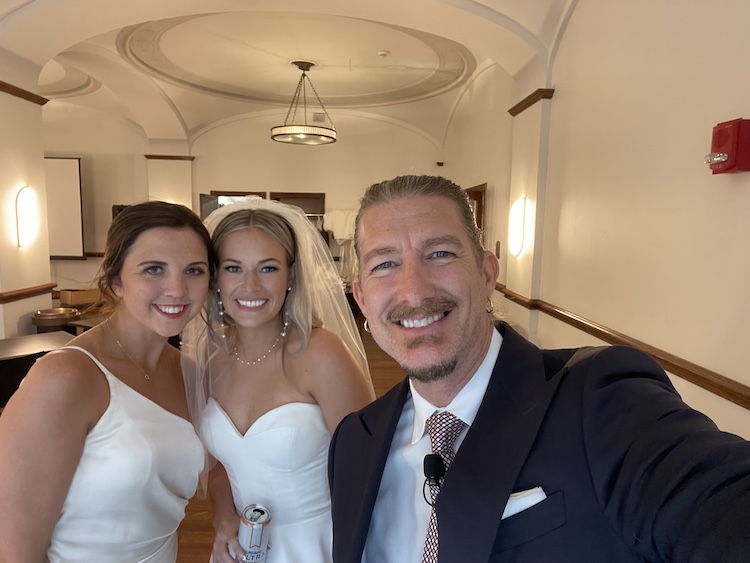
LGBTQIA-FRIENDLY OFFICIANTS
Finding a supportive and respectful officiant is crucial for LGBTQIA couples. An inclusive officiant can ensure that your ceremony is positive, affirming, and reflective of your love.
BENEFITS:
- Inclusivity: An inclusive officiant can help create a welcoming environment for all guests.
- Affirmation: An LGBTQIA-friendly officiant will celebrate your love and union without prejudice.
- Resources: Utilize online directories and community recommendations to find LGBTQIA-friendly officiants or reach out to one of our favorites, Timmy Gibson Weddings.
CIVIL OFFICIANTS
Civil officiants are ideal for couples who want a secular ceremony or for those from different faith backgrounds. These officiants include judges, justices of the peace, and professional wedding officiants specializing in non-religious ceremonies.
BENEFITS:
- Flexibility: Civil officiants offer flexibility in ceremony structure and content, allowing couples to create a unique and personalized event.
- Legal Expertise: They handle all lawful aspects correctly, providing peace of mind that your ceremony is legal.
- Professional Experience: Many civil officiants have extensive experience conducting weddings and can handle any situation professionally.
CONSIDERATIONS:
- Personal Touch: Civil officiants may not
have the same personal connection as family members or friends. - Emotional Connection: Some couples feel a civil officiant may lack the emotional depth a personal acquaintance might bring.
- Costs: Fees for civil officiants can vary widely, so discussing costs upfront is necessary.
ADDITIONAL FACTORS TO CONSIDER
Personal Connection: Ensure the officiant understands your values and relationship, creating a ceremony that feels personal and meaningful.
Style and Approach: Decide whether you prefer a formal or informal ceremony and a traditional or modern approach.
Availability and Flexibility: Check the officiant’s availability for your wedding date and if they are willing to entertain unique requests.
Experience and Professionalism: Choose someone comfortable with public speaking and can handle unexpected situations gracefully.
Reviews and Recommendations: Seek feedback from other couples and wedding professionals to ensure the officiant has a good reputation.
Selecting your wedding officiant is vital to shaping your entire ceremony. Take your time to consider all options, from clergy and civil officiants to friends and family members. Trust your intuition; choose the officiant who best reflects who and where you are as a couple. Your officiant will lead you through your vows and help create a memorable and meaningful start to your married life. Feel free to share your officiant experiences or seek further advice from wedding professionals as you embark on this exciting journey.
Enjoy Selecting Your Wedding Officiant? Ready to start finding vendors for your wedding? Check out our collection of Kansas City Wedding Vendors.